The Journal.
Untold stories of Sri Lankan culinary history, rare ingredients, and cultural cross-pollination.
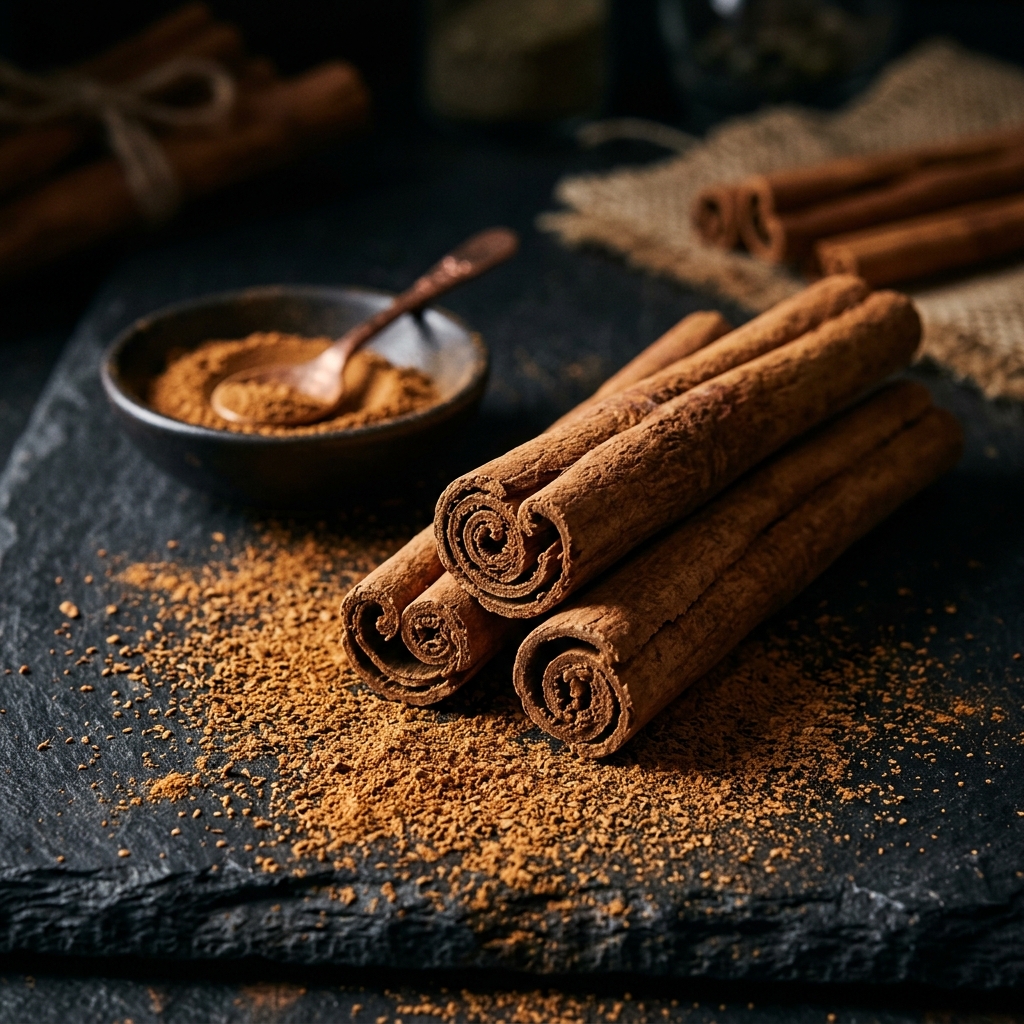
The Cinnamon Secret.
How mythical birds protected the Spice Island's treasure.
For centuries, the true source of Ceylon cinnamon (Cinnamomum verum) was a closely guarded secret by Arab traders. They spun wild tales of giant 'Cinnamologus' birds building nests of cinnamon sticks on sheer cliffs to deter European explorers. Discover the botanical reality behind the island's most coveted bark — a story of colonial espionage, botanical fraud, and the extraordinary efforts of the Portuguese and Dutch to monopolise the trade.
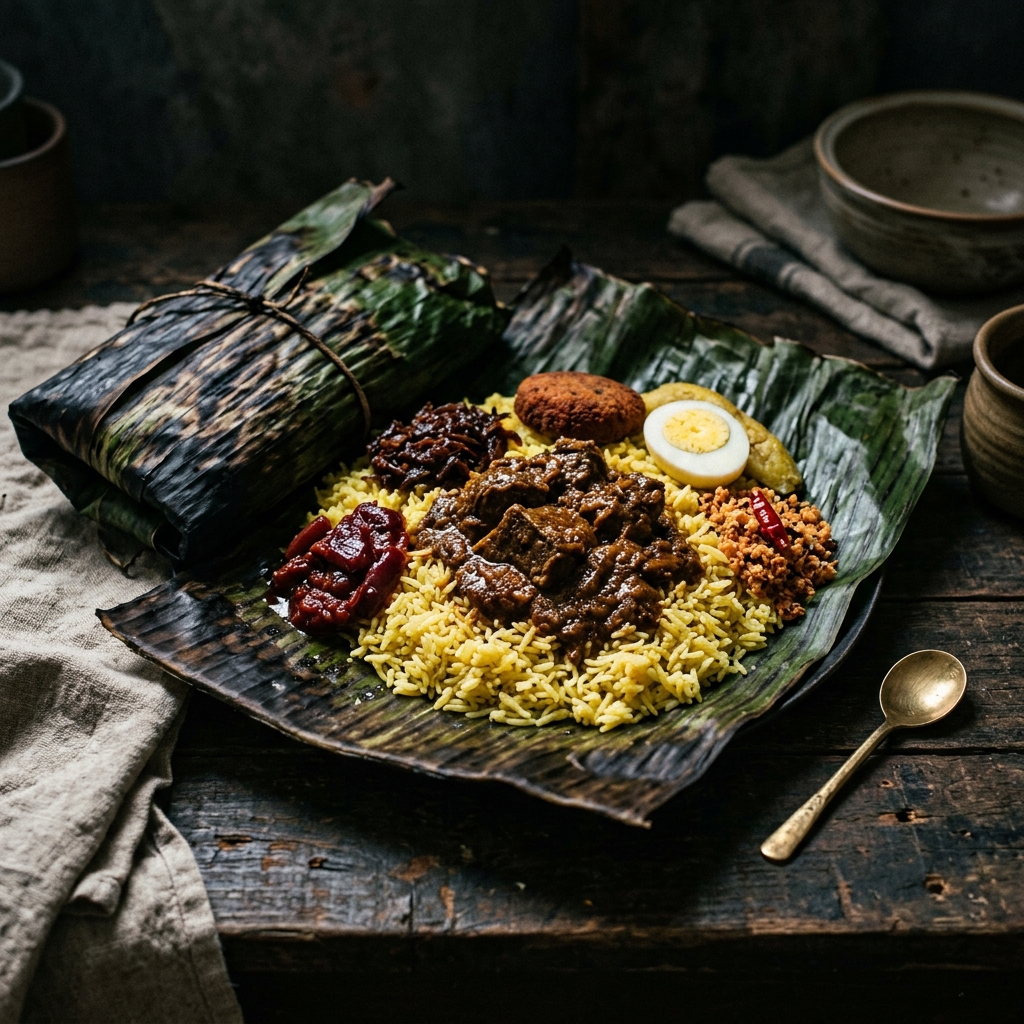
Lamprais: The Dutch Legacy.
A 17th-century masterpiece baked in a banana leaf.
Born from the Dutch Burgher community during colonial rule, Lamprais is a labor-intensive marvel. A complex ensemble of mixed meat curry, seeni sambol, blachan, and frikkadels, all served with rice boiled in stock, wrapped in a banana leaf, and baked. It is the ultimate collision of European and Sri Lankan culinary traditions — a dish that tells the full story of 150 years of Dutch occupation and the cultural fusion it produced.
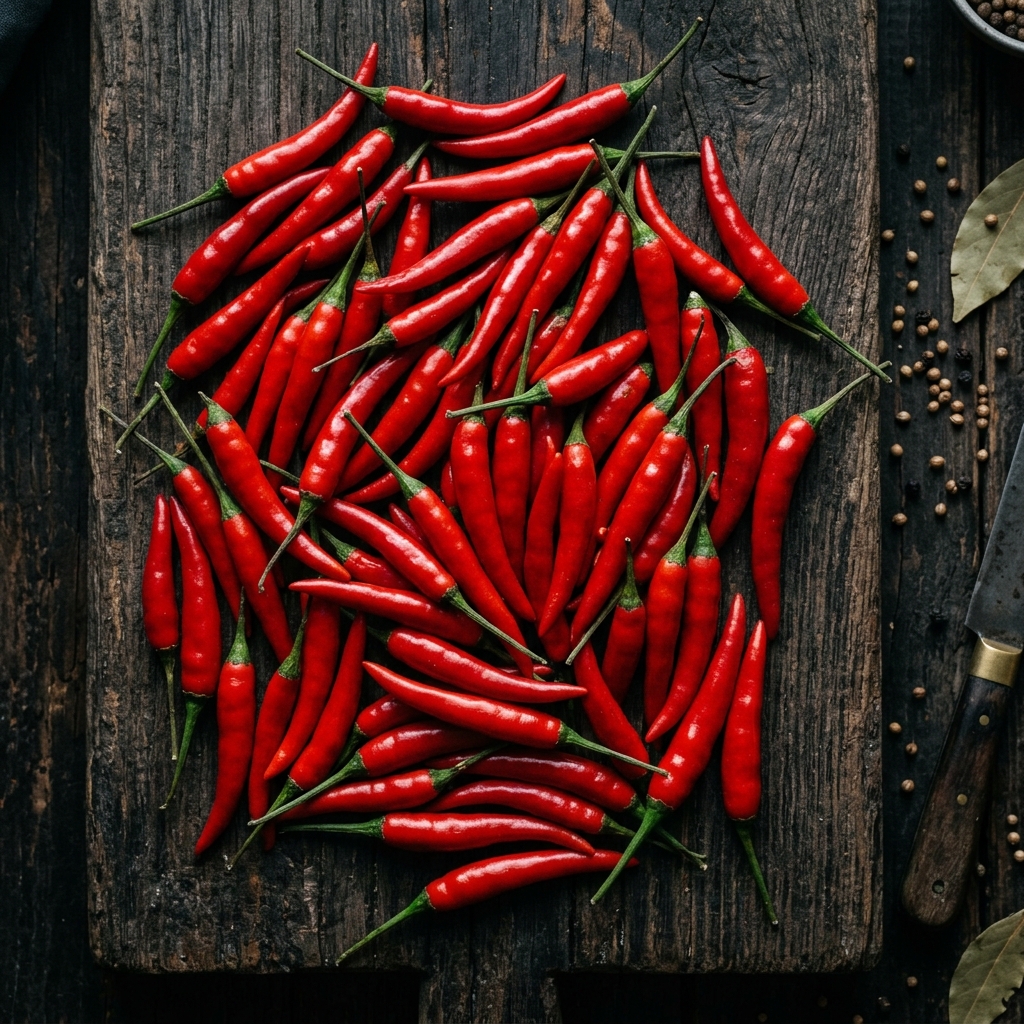
The Arrival of the Chilli.
Before 1505, the island's heat came from black pepper.
It's hard to imagine Sri Lankan cuisine without its fiery red hue, but the chilli pepper is a relatively recent addition. Introduced by the Portuguese in 1505 from the Americas, the chilli replaced black pepper as the primary source of heat, forever altering the trajectory of the island's famous curries. This is the story of a plant that crossed three continents and changed what Sri Lankans cook forever.
More stories arriving soon.