The Cinnamon Secret.
How mythical birds protected the Spice Island's treasure.
Long before the Portuguese navigators charted the waters around Ceylon in the early 16th century, Arab merchants had perfected a trade in the island's most precious commodity: cinnamon. To protect their monopoly, they concocted one of history's most audacious commercial deceptions — the myth of the Cinnamologus bird.
The Legend
According to the tale that circulated through the bazaars of Alexandria, Constantinople, and Lisbon, cinnamon was not harvested from trees at all. Instead, giant birds — the Cinnamologus, or "cinnamon bird" — gathered sticks of cinnamon bark from distant, inaccessible lands and used them to construct their enormous nests on sheer cliffsides. The only way to harvest this precious spice, traders claimed, was to throw large chunks of meat at the birds' nests, causing the heavy food to collapse the structures, whereupon the cinnamon could be collected from below.
This story, which appears in the writings of Herodotus, was almost certainly fabricated or wildly distorted to prevent competitors from learning the true origin of cinnamon: the lowland tropical forests of what is today Sri Lanka. Cinnamomum verum — true cinnamon — is native to the island and was nowhere else commercially harvested at the time.
Botanical Reality
The cinnamon we know today comes from the dried inner bark of the Cinnamomum verum tree, a member of the Lauraceae family. Found naturally across the wet zone of Sri Lanka, from Colombo to Matara, the tree grows in the humid, monsoon-fed lowlands below 500 metres of elevation. Sri Lankan cinnamon is classified as "true cinnamon," distinguishing it from the inferior Cinnamomum cassia (Chinese cinnamon or cassia), which is now commonly sold as cinnamon in many parts of the world.
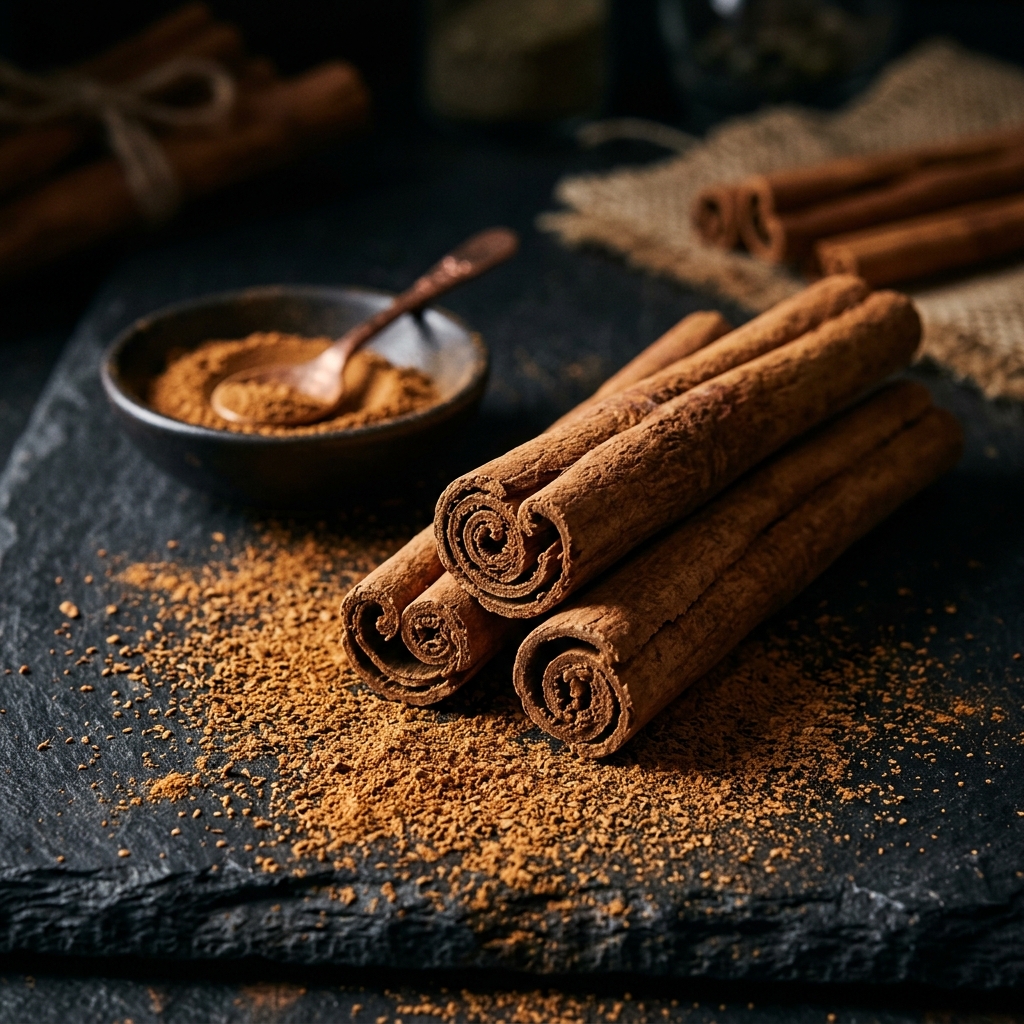
The difference is profound. Ceylon cinnamon has a delicate, complex sweetness with mild notes of clove and citrus. Its bark is thin, soft, and rolled into multi-layered quills. Cassia, by contrast, is harder, thicker, with a harsh, one-dimensional heat. Experienced spice merchants can tell them apart by smell alone.
The Portuguese Monopoly
When Lourenço de Almeida arrived in Ceylon in 1505 and encountered the Kotte Kingdom, he quickly understood the commercial significance of cinnamon. Within decades, the Portuguese had established a fort at Colombo and negotiated trading treaties that gave them exclusive rights to the spice trade. For the first time in history, cinnamon's true origin was known to European powers.
The Portuguese enforced their monopoly ruthlessly. Cinnamon peelers — the Chaliya caste — were permitted to peel the bark only under supervision, and unauthorized trading was punishable by death. The island's coastal communities, whose livelihoods depended on the spice, found themselves entirely at the mercy of foreign trade infrastructure.
The Dutch Era
By the mid-17th century, the Dutch East India Company (VOC) had displaced the Portuguese as the dominant colonial power on the island. The Dutch were even more systematic in their control of cinnamon. They established the first large-scale cinnamon plantations, moving production from wild forests to organized cultivation. To prevent the Sinhalese from circumventing their monopoly, the Dutch reportedly ordered the destruction of cinnamon trees across vast areas of the island, ensuring that only controlled, VOC-managed groves remained in production.
The Dutch also imposed strict regulations on the Chaliya peelers. Each family was allocated a quota of bark they were required to deliver annually, regardless of conditions. Failure to meet quotas could result in punishment. This forced labour system marked one of the darkest chapters in Sri Lankan spice history.
Legacy in Modern Sri Lankan Cuisine
Despite centuries of colonial exploitation, cinnamon remains deeply embedded in Sri Lankan culinary identity. It is far more versatile in Hela cooking than in European traditions — used not just in sweets, but in savoury curries, rice dishes, and medicinal preparations. The spice's warm, fragrant sweetness creates the characteristic depth in kiri hodhi (coconut milk curry), and its bark is routinely used whole in rice and meat dishes, infusing the cooking medium with a subtle, complex aroma.
Today, Sri Lanka remains the world's largest producer of true cinnamon (Cinnamomum verum), accounting for roughly 80-90% of global supply. The industry, no longer under colonial control, employs thousands of peelers across the Southern and Sabaragamuwa provinces. The mythical Cinnamologus birds are long forgotten — replaced by the reality of skilled hands and centuries of inherited craft.